 Solar & Battery
 Battery Only
Project Overview
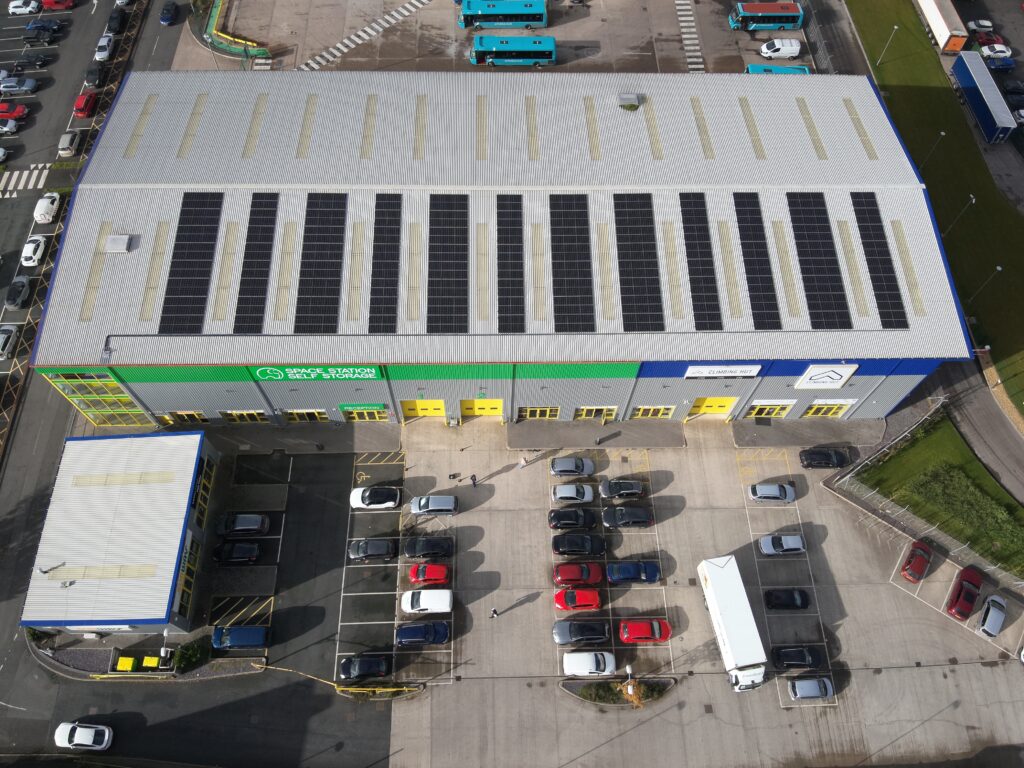
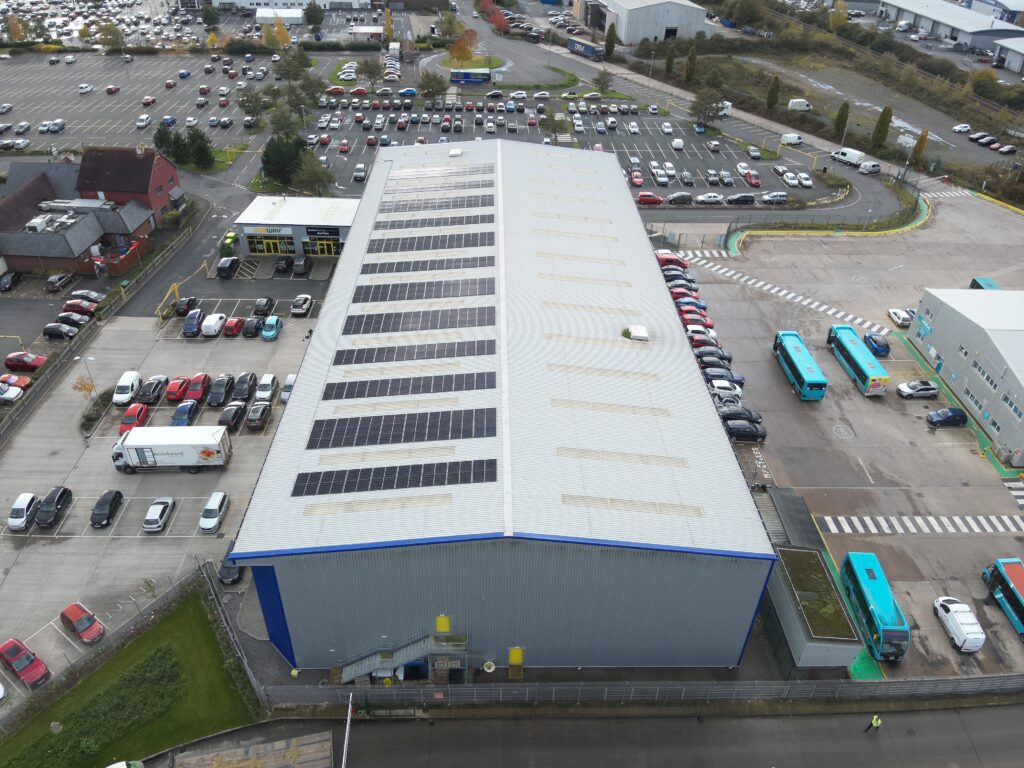
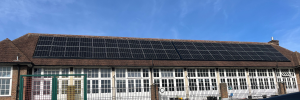
Space Station’s Shrewsbury facility is part of the company’s expanding network of self-storage sites across the UK. As part of Space Station’s wider sustainability strategy, Titan Eco designed and installed a bespoke solar PV and battery storage system for the site, to reduce grid reliance, stabilise energy costs, and support the company’s journey to carbon neutrality.
The project forms part of a portfolio-wide rollout, demonstrating how scalable solar infrastructure can deliver both environmental and commercial value across multiple sites.
System Components
- Solar panels: 240 × Trina 420W modules (100.8 kWp) – providing durability and value, and offering proven long-term reliability and backed by comprehensive product warranties.
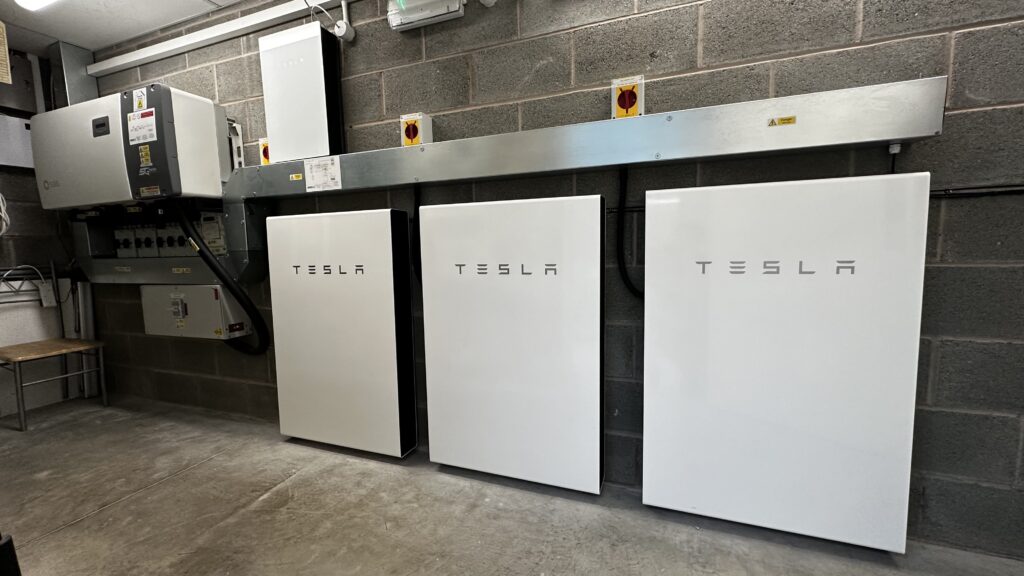
- Inverters: Solis 100 kW 3-phase inverter – delivering high conversion efficiency with smart connectivity for remote monitoring and fault detection, and built-in protection features.
- Battery storage: 3 × Tesla Powerwall units (40.5 kWh) – for efficient time-shifting of energy use, reducing grid reliance. Features including real-time monitoring and self-learning software to optimise performance.
- Mounting system: K2 MiniRail mounting system – a durable mounting system with even load distribution, ideal for trapezoidal rooves.
IMPLEMENTATION
- Assessment & approval: A roof and electrical survey was carried out to assess load capacity, orientation, and shading. With the system performance modelled to ensure maximum yield, an application was then submitted to the DNO for approval to connect the system to the grid.
- Mounting system: The K2 MiniRail mounting system was securely fixed to the metal roof, providing a stable and evenly distributed base for the solar array.
- Panels, inverter & batteries: The 240 solar panels were carefully lifted and secured onto the mounting frames. The Solis 100 kW inverter was then installed close to the main distribution board, and the three Tesla Powerwalls were wall-mounted in the plant area.
- Integration, testing & commissioning: The solar and battery systems were integrated with the site’s distribution board and connected to the grid. Final testing and DNO notification verified system performance and compliance.
Results
The 100.8 kWp solar PV system generates around 85,800 kWh of clean electricity each year, offsetting approximately 43 tonnes of CO₂ and covering up to 95 % of the site’s annual demand when combined with battery storage. This translates to significant long-term financial savings – and a payback period of under five years.
Battery storage dramatically increases the site’s energy independence and flexibility, while live monitoring supports continued performance optimisation – strengthening Space Station’s commitment to operational efficiency and long-term sustainability.